
march 20th blog
Oak Before Ash, In for a Splash – Ash Before Oak, In for a Soak: What Does It Really Mean?

Ben Harding
Founder & Certified Arborist
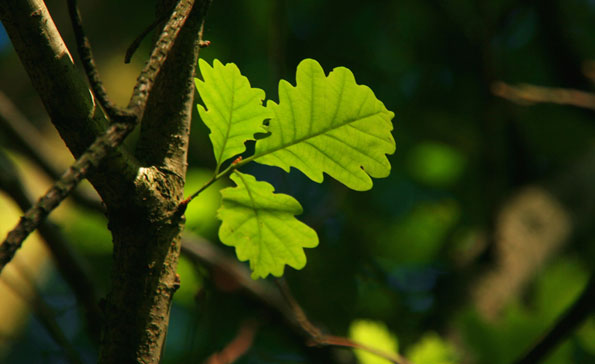
You may have heard the old saying
“Oak before ash, in for a splash. Ash before oak, in for a soak.”
This traditional rhyme has been passed down through generations of farmers, foresters and countryside workers across the UK. It’s a simple phrase, but it reflects a long history of people using nature to predict the weather.
But what does it actually mean? And is there any truth behind it?
In this blog, we’ll explain the meaning behind the phrase, why oak and ash trees leaf at different times, and what signs to look for in spring.
The Meaning Behind the Saying
The traditional interpretation is:
Oak before ash – “in for a splash”
If oak trees produce leaves before ash trees, it supposedly means a drier summer with only occasional rain showers.
Ash before oak – “in for a soak”
If ash trees leaf first, it suggests a wetter summer ahead with more consistent rainfall.
Before modern forecasts, farmers and countryside communities looked at things like how trees were growing, animal behaviour, and even cloud patterns to get an idea of what the next few months might bring.
You may have heard the old saying
Why Oak and Ash Trees Leaf at Different Times
Although the rhyme sounds simple, the science behind it is actually quite interesting. The key difference lies in what triggers each species to produce leaves.
Oak Trees
Oak trees generally respond more strongly to temperature. If early spring temperatures are warm, oak trees may begin to leaf earlier than usual.
Ash Trees
Ash trees are more influenced by day length (photoperiod) rather than temperature. This means they often wait for longer daylight hours before producing leaves. Because these trees respond to different environmental cues, their order they come into leaf can vary each year, depending on the weather conditions in late winter and early spring.
Is the Saying Actually Accurate?
The short answer: not really – but it’s still interesting.
Researchers have looked into this saying, but there’s no solid scientific proof that it actually predicts summer weather.
What they’ve found is:
The timing of when oak and ash trees leaf is mainly influenced by spring conditions, not what happens in summer.
For example:
Warm early springs may cause oak trees to leaf first.
Cooler springs may allow ash trees to appear earlier.
So while scientists have studied tree phenology (the timing of seasonal events like leafing), they’ve found no reliable link between which tree leafs first and how wet or dry the summer will be.
What to Look Out for in Spring
If you want to spot this phenomenon yourself, here are some signs to watch for in early spring.
Oak Bud Burst
Oak leaves usually appear between late March and early May.
Look for:
- Small green leaf clusters emerging from buds
- Soft, bright green young leaves
- Rapid leaf expansion once temperatures rise
Ash Bud Burst
Ash trees tend to leaf slightly later than oak.
Key signs include:
- Distinct black buds swelling
- Leaves appearing in clusters along the twig
- A later but often rapid leaf development
Comparing the two species side by side in hedgerows or woodland edges is the easiest way to see which one appears first.
Why This Still Matters for Tree Professionals
For arborists and tree surgeons, watching seasonal changes like this isn’t just folklore – it can be useful.
Observing bud burst and leaf development helps professionals:
- Monitor tree health
- Identify seasonal growth cycles
- Plan pruning or maintenance work
- Track the effects of climate change on tree species
Changes in leaf timing can also affect wildlife, pests and diseases, which makes phenology (the study of seasonal plant cycles) an important part of modern tree care.
The Impact of Climate Change
Interestingly, recent studies suggest that oak trees are now leafing earlier than they did decades ago, largely due to warmer spring temperatures.
Ash trees are also leafing earlier, but not at the same rate as oak, which means oak is increasingly “winning the race” in many parts of the UK.
This shift highlights how changing climate conditions are affecting our woodlands and the timing of natural events.
Final Thoughts
The phrase “Oak before ash, in for a splash. Ash before oak, in for a soak” is a wonderful piece of countryside folklore that reflects generations of close observation of nature. While scientists have looked into this old saying, there’s no real evidence that it can accurately predict the summer weather. The order that oak and ash trees come into leaf is more about spring conditions than what the rest of the year will bring.
Next time spring arrives, take a walk through your local woodland or hedgerow and see for yourself:
Which tree wins the race this year – oak or ash?